When to Use Traditional Medicine (And When Not To)
October 4, 2024
What is Astragalus? How to Survive Cold and Flu Season with this Ancient Chinese Herb
January 24, 20257 Reasons Why We Still Need Traditional Medicine

Traditional medicine means medicine that has been able to stand the test of time. Traditional medicine is recognized by the World Health Organization (WHO), and is defined as the following:
The sum of knowledge, skills, and practices based on theories, beliefs, and experiences indigenous to different cultures. It is used for maintaining health and preventing, diagnosing, improving, or treating physical and mental illnesses.
Examples of traditional medicine include Traditional Chinese Medicine and Ayurvedic Medicine. These are often also referred to as Eastern medicine. However, there are systems of medicine that come from all over the world, not just the east. It would be impractical to discuss all traditions of medicine. Instead, we are going to focus on Traditional Chinese Medicine, as well as Ayurveda and Yoga. These are practices we use at Essential Balance. Of course, know that this is only the tip of the iceberg.
Check out our previous blog here for more information on traditional medicine and how to use it.
So, why do we still need traditional medicine, if we now have modern medicine? We have drugs, so why do we need herbs and acupuncture? There are many reasons why traditional medicine is still important for us to learn and use. Traditional medicine is not necessarily “alternative” medicine. Using traditional medicine does not mean ignoring modern medicine, or avoiding your doctor. When used properly, traditional medicine can complement modern medicine for a balanced approach to overall health and well-being.
Here are the 7 reasons why we still need traditional medicine today:
Reason #1: Your “blood work is fine” doesn’t mean you feel fine.

You visit your doctor and take a blood test; your results are normal. Does this mean you are completely healthy?
Does this also mean you:
• Wake up every day feeling full of energy?
• Are fully focused and productive at work and school?
• Never get a cold, headache or a stomach-ache.
• Have pain-free periods (if applicable)?
• Have no stress or anxiety?
Being free of disease is not the same as healthy. There are plenty of times when we are not really “sick”, but we just feel off, when it’s not a disease, but just general “dis-ease” in the body. In order to be truly healthy, we also need to eat well, move our bodies, sleep enough and drink plenty of water. In addition to all these things, traditional medicine can help you feel your best.
Here are some great examples:
• Meditation for sleep and stress
• Acupuncture for headaches, sports injuries, painful periods, anxiety and so much more
• Herbs for frequent colds and general low immunity
These are just a few ways to use traditional medicine to help you move from “not sick” to truly healthy. Even if you have been diagnosed with a disease or chronic illness, there are many ways to use traditional medicine to manage your illness (along with modern medicine). We discuss more ways to use traditional medicine here.
Modern medicine does not always have all the answers. Anti-biotics can be lifesaving when it comes to bacterial infections, however, they do little for the common cold. Many herbs have been shown to have anti-viral properties or support the immune system. Over-the-counter or prescription medications can help with the pain of a migraine, but do not prevent them. Acupuncture treatments and certain herbs have been shown to reduce the frequency and severity of migraines. We need both traditional and modern medicine to stay truly healthy.
Reason #2: Treats the Root
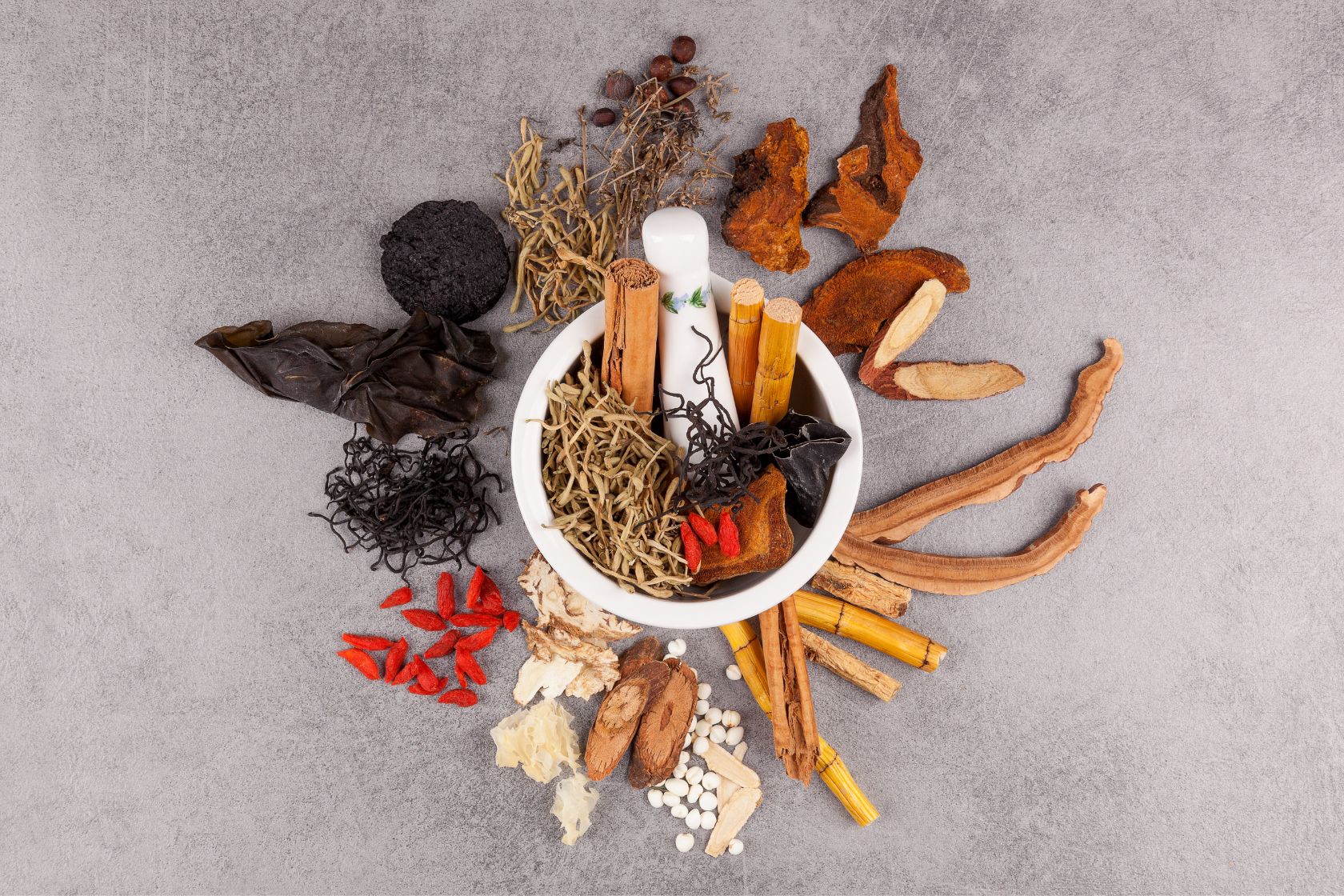
Traditional Medicine looks at the body as a whole, and therefore multiple symptoms can actually relate to one main root imbalance in the body. Many systems of traditional medicine have their own way of assessing an individual. This is quite different than a medical diagnosis. For example, a TCM diagnosis is, in part, based on the principle of the two dynamic opposing forces Yin and Yang. While every practitioner may work a bit differently, a TCM session often begins with an intake questionnaire. A series of questions are asked pertaining to the client’s whole body regardless of their main health concerns.
Therefore, if you visit a TCM practitioner for frequent headaches, don’t be surprised if they ask about your bowel movements. The practitioner may also feel the pulse and examine the tongue. After the assessment is completed, the diagnosis may be something along the lines of spleen qi deficiency, excess heat, excess damp, etc. Any acupuncture treatments, dietary, lifestyle and herbal recommendations will reflect this assessment.
For example, excess heat can present itself as:
• Sweats easily
• Eczema
• Acne
• Anxiety
• Insomnia, and more!
By addressing the core imbalance(s), all of the symptoms will improve. This is a very efficient and effective way to improve your overall quality of life.
Reason #3: Assesses Individual Needs

Do you ever wonder why there are so many different diets out there? And why certain diets work for some but not others? Some people thrive on a vegetarian diet, lower in fat and higher in carbohydrates. While others seem to need more fat and protein and, therefore, prefer a diet that includes animal foods. Some people do just fine with eating two meals a day, while others will get very “hangry” if they skip breakfast.
Each individual is unique, and you need to find what works for you. Best to ignore trends and instead look at the concept of constitutions, which has been around for centuries. One way to assess your constitution is through doshas in Ayurvedic medicine.
Understanding your constitution, or dosha, will help you understand the best diet for you. Do you need to eat more often? Do you need to eat more carbohydrates, proteins, fats? Do you need more water and healthy oils?
Any herbal supplements you take long term should also be in line with your constitution. For more information on Ayurveda and the concept of constitutions, check out Part 1 here.
Reason #4: Provides the Basis of Scientific Research
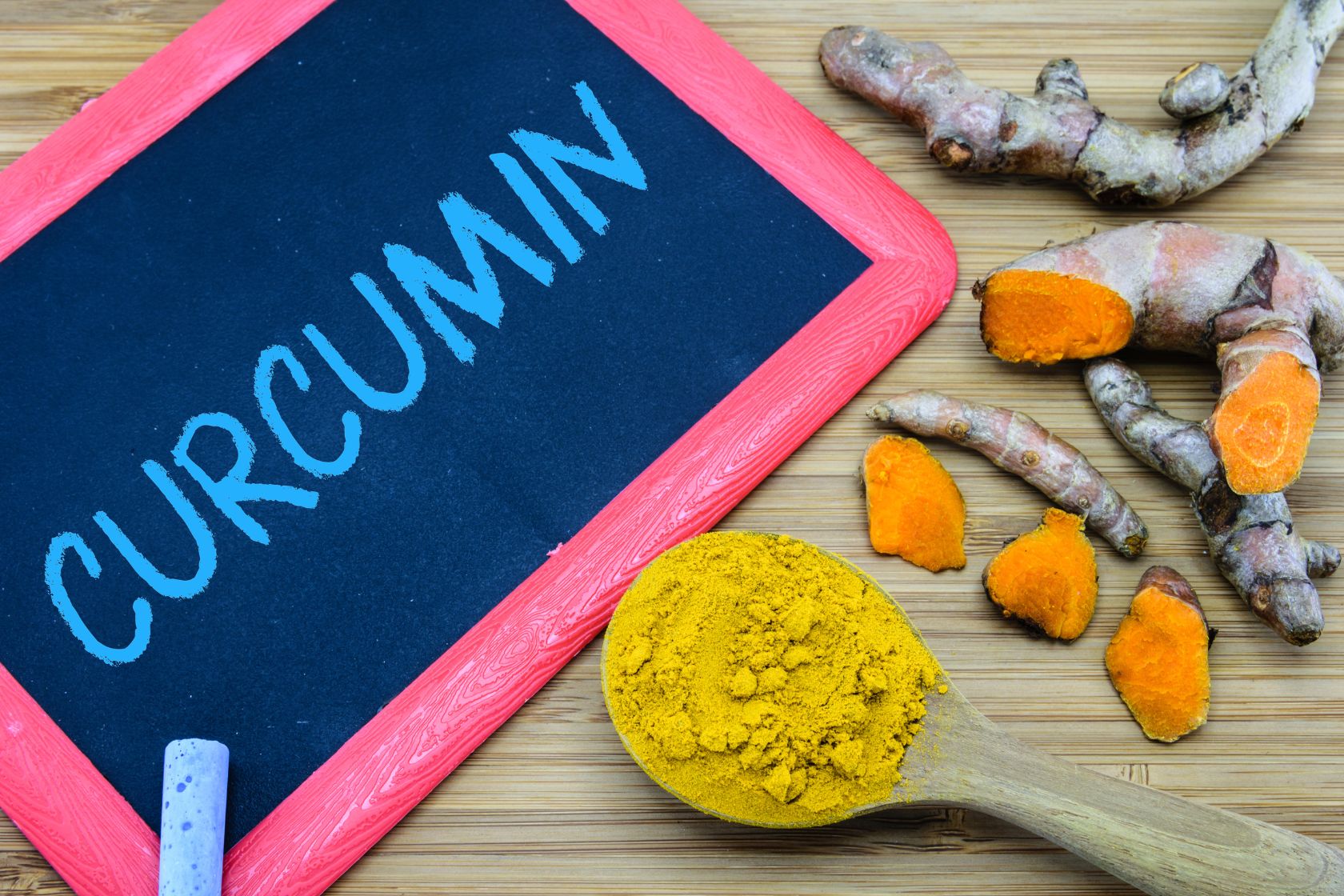
Why start from scratch? Let’s take something that’s been used for thousands of years and put it under a microscope. It’s really exciting when modern science and tradition come together. There are many clinical trials and studies around ancient practices that have shown positive results.
For example, turmeric has been used for a long time as both a medicine and a spice. Scientific studies have shown that curcumin, the active ingredient in turmeric, can improve anxiety, arthritis and aid in recovery from sports injury. This is due to its potent anti-inflammatory properties.
Piperine, the active ingredient in black pepper, has also been shown to improve the bioavailability of curcumin by 2000%. Turmeric and black pepper are common ingredients in traditional Ayurvedic dishes and medicine. Curcumin, with added piperine, is now sold as a convenient supplement.
Another example of traditional medicine being used in scientific research is salicylic acid, an active compound in many traditional herbs, including meadowsweet and white willow bark. Herbs containing salicylic acid were synthesized to make aspirin. Morphine, a potent pain-relieving medication, was originally derived from the poppy plant.
These are just a few examples of how traditional medicine has paved the way for advancements in scientific research.
Reason #5: Includes Mental Health
The health of our body is just as important as the health of our minds. Traditional medicine does not separate mental health from physical health. Traditional medicine teaches balance. Many aspects of traditional medicine benefit the mind just as much as the body.
One of the most immediate by-products of an acupuncture session is a feeling of peace and relaxation. A yoga class will allow you to move your body and calm the mind. Many herbs have an affinity for the nervous system, which will make you feel calm, relax the muscles and improve digestion.
Reason #6: Connects us with Nature
Traditional medicine comes from a time during which we were forced to be one with nature if we wanted to survive; long before the conveniences of central air conditioning and heated car-seats.
Traditional medicine encourages us to eat with the seasons, eat locally, and use what’s available at that time. While we now have the convenience of modern living, we still require the earth to survive. The more in tune we are to the natural world, the more conscientious we will be about how we treat our earth.
Reason #7: Connects us with our Roots

Traditional medicine is an important part of culture. It was often intertwined with the customs, beliefs, cuisines and spiritual practices of its indigenous people; in cultures all over the world. Certain practices of indigenous cultures are considered closed; meaning they should only be practiced by those belonging to that culture.
However, some practices are open, in that anyone can practice them. The downside to open practices is how easily they turn into a game of broken telephone, allowing the cornerstones of its traditions to become diluted or twisted, such that generations later, there is little recognition of its origin.
It can happen that traditions are no longer being used the way they were originally intended. An example of this is yoga, which has changed quite a bit over the last 5,000 years.
Today, particularly in the west, yoga is used as a form of exercise. However, traditionally yoga is a spiritual practice that includes not just postures (asanas), but also breathwork, meditation, principles and ethical practices.
Using yoga solely as a form of exercise not only means missing out on all the other benefits, but it also could lead to injury, if the movements are not accompanied by breathwork and mindfulness techniques.
There are many traditions that have been lost over the centuries. Therefore, if for no other reason, we still need traditional medicine because it is an important part of culture that should be preserved.
*****************
Kirsten Colella, CNP, a Holistic Nutritionist who graduated from the Institute of Holistic Nutrition with high honours, is also a certified yoga teacher. Kirsten does her best to live a full yoga-styled life, incorporating the best from herbs with her farm-fresh foods. Living on a farm with her family, Kirsten prepares a wide variety of farm-to-table meals, sharing her delicious recipes, colourful food pics and health-promoting food ideas on our Instagram page @essentialbalanceholistic.
*****************