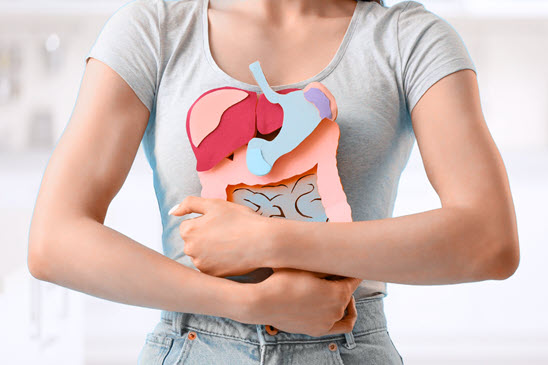



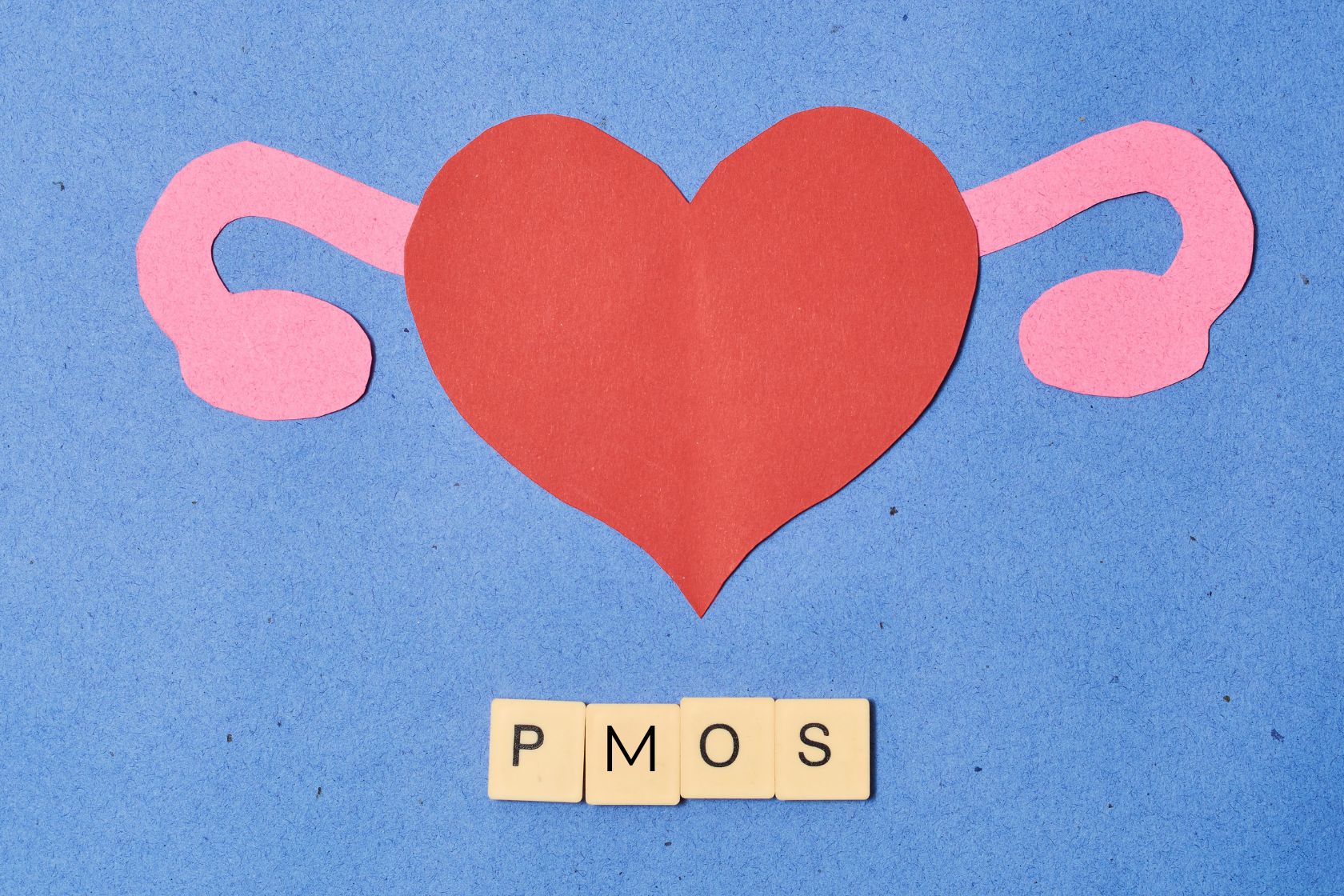
If you've been diagnosed with PCOS, you may have recently come across a new term: PMOS.
And if you're wondering, "Wait... is PMOS just another name for PCOS?"—yes.
Polyendocrine Metabolic Ovarian Syndrome, or PMOS, is the updated name for what was previously called Polycystic Ovary Syndrome.
But the name change is actually quite meaningful.
For years, many women have been led to think of PCOS primarily as an ovarian or fertility issue. In reality, it can affect so many different aspects of health—hormones, blood sugar, weight, energy, sleep, skin, hair, mood and fertility.
And this is something that comes up again and again: no two women experience PMOS in exactly the same way.
One woman may seek help because her periods have disappeared. Another may be struggling to conceive. Someone else may be exhausted all the time, gaining weight despite trying to eat well, or dealing with acne and unwanted hair growth.
They may all have the same diagnosis, but their experiences—and what their bodies need—can be very different.
That's why a personalized approach matters.
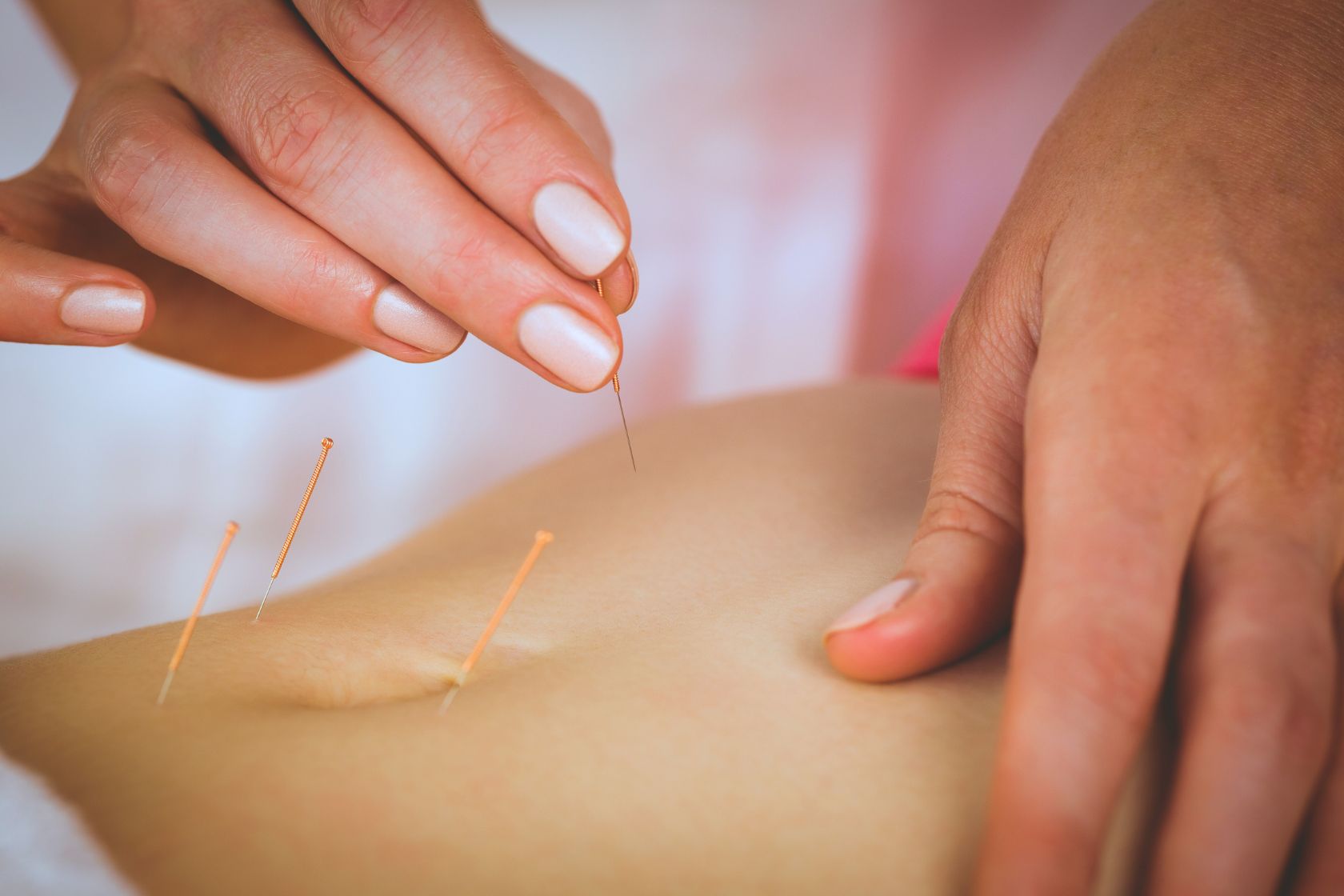
Acupuncture for PMOS can be one part of that approach, working alongside good nutrition, healthy lifestyle habits and appropriate medical care.
So, What Exactly Is PMOS?
PMOS is a complex hormonal and metabolic condition that can interfere with the way your body regulates hormones and ovulation.
One of the pieces that often comes into play is insulin resistance.
When your body doesn't respond as efficiently to insulin, it may produce more of it to keep blood sugar under control. Higher insulin levels can influence the ovaries and contribute to increased androgen activity.
This can interfere with normal ovulation and contribute to many of the symptoms women associate with PCOS.
You might experience:
- Periods that are irregular, very far apart or missing altogether
- Difficulty figuring out when—or if—you are ovulating
- Trouble becoming pregnant
- Acne
- Increased facial or body hair
- Thinning hair
- Changes in weight
- Difficulty losing weight
- Fatigue
- Poor sleep
- Mood changes
- Blood sugar problems
But here's something every woman with PMOS should understand:
You don't have to look a certain way to have PMOS.
You don't have to be overweight. You don't have to have every symptom on the list. And having regular periods doesn't necessarily mean that everything is functioning perfectly from a hormonal or metabolic perspective.
PMOS can look very different from one person to another.
Why the Name Changed From PCOS to PMOS
The new name is intended to better reflect what is now understood about the condition.
The old name—Polycystic Ovary Syndrome—put a lot of emphasis on the ovaries. But the condition is much broader than that.
The updated name highlights the endocrine, metabolic and ovarian components.
For women, this distinction is important because it encourages a bigger question:
What is happening throughout the body, not just what is happening in the ovaries?
That can lead to a much more useful conversation about nutrition, blood sugar, stress, sleep, movement, hormones and long-term health.
Why Does PMOS Happen?
This is one of the questions women ask most often.
And unfortunately, there isn't one simple answer.
There are genetic factors involved, along with hormonal and metabolic factors. Insulin resistance can play an important role for some women, while stress, sleep, inflammation and lifestyle can also influence symptoms.
Sometimes these things feed into one another.
You aren't sleeping well, so you're exhausted. You're exhausted, so exercise feels harder. You're stressed, your eating becomes more irregular, your blood sugar becomes harder to manage, and suddenly your hormones seem even more unpredictable.
It can become a frustrating cycle.
And it's important to say this too:
PMOS is not your fault.
It's not a sign that you haven't tried hard enough, eaten perfectly enough or exercised enough.
Instead of blaming yourself, it can be much more productive to look at which areas of your health need support.
So, Where Does Acupuncture Fit In?
This is where a common question comes up:
"Can acupuncture actually help with PMOS?"
Acupuncture isn't a magic fix.
What it can do is provide another layer of support.
Research is continuing to explore how acupuncture may influence some of the systems involved in PCOS/PMOS, including reproductive hormones, insulin resistance and the nervous system.
In practice, the person sitting in front of the practitioner matters.
- Are you sleeping poorly?
- Are you constantly stressed?
- Are your periods unpredictable?
- Are you trying to conceive?
- Are you exhausted?
- Are you dealing with digestive issues?
Those details matter.
Acupuncture and Hormonal Regulation
Your menstrual cycle is controlled by a complicated conversation between your brain, pituitary gland and ovaries.
This communication system helps coordinate follicle development, ovulation and the menstrual cycle.
When that communication becomes disrupted, ovulation and periods can become irregular.
Acupuncture is used to support the body's regulatory systems and may help encourage healthier menstrual patterns over time.
But every woman with PMOS does not require the same acupuncture points.
That's one of the strengths of Traditional Chinese Medicine.
Treatment is based on the individual—not simply on the diagnosis.
Acupuncture and Ovulation
Irregular ovulation is one of the biggest reasons PMOS can make getting pregnant more difficult.
Some women may go months without ovulating. Others ovulate occasionally but can't predict when it will happen.
When fertility is the goal, acupuncture can be incorporated into a broader fertility plan to support reproductive health.
It is important to remember that acupuncture is not a substitute for fertility testing or medical treatment. If you're trying to conceive, care should be coordinated with your doctor or fertility specialist.
Think of acupuncture as another tool in your toolbox, rather than the entire toolbox.
Acupuncture and Insulin Resistance
Insulin resistance is an important part of PMOS for many women.
When insulin levels remain elevated, this can contribute to increased androgen activity and interfere with normal ovulation.
Nutrition and physical activity are fundamental when it comes to supporting insulin sensitivity.
Acupuncture may provide additional support, and research in this area is promising, although more high-quality evidence is still needed.
This is why a whole-body approach is so important rather than suggesting that acupuncture alone will solve the problem.
Acupuncture for Stress and Sleep
This is often the part clients notice first.
You may come in because you're worried about your hormones or fertility, but what you really need is to feel like you can finally exhale.
Living with PMOS can be emotionally draining.
There's the frustration of unpredictable periods. The anxiety around fertility. Changes in your body that you may not recognize. The constant feeling that you're doing everything you're "supposed" to do but nothing is changing.
Acupuncture can be deeply relaxing and may help shift the nervous system toward a more restful state.
And sometimes, sleeping better and feeling less stressed is an important first step.
When your body is constantly operating under stress, everything can feel harder.
Acupuncture for PMOS and Fertility
If you've been diagnosed with PMOS and you're trying to get pregnant, it's understandable for the word "fertility" to carry a lot of emotion.
You may have spent months tracking your cycle, using ovulation tests, looking at apps and wondering whether your body is actually ovulating.
The good news is that PMOS does not mean you cannot become pregnant.
For many women, the main challenge is irregular ovulation—not an inability to become pregnant.
Depending on your situation, your doctor may recommend medication to help stimulate ovulation or other fertility treatments.
Acupuncture for fertility can be incorporated alongside those treatments.
Depending on your needs, treatment may focus on:
- Supporting regular ovulation
- Reproductive wellness
- Relaxation and stress management
- Healthy circulation
- Sleep
- Overall well-being during fertility treatment
And again, it is important to be realistic: acupuncture cannot promise pregnancy.
But it can be a supportive part of your fertility journey.
What PMOS Looks Like Through the Lens of Traditional Chinese Medicine

One of the strengths of Traditional Chinese Medicine is that it doesn't stop at the diagnosis.
In Western medicine, you may be told you have PMOS.
In TCM, the next question is:
"What is going on in your body specifically?"
An assessment may consider your menstrual cycle, digestion, sleep, energy, stress, emotional well-being and other individual symptoms.
This means two women with PMOS can receive completely different acupuncture treatments.
One may need more attention to menstrual and reproductive health. Another may have significant stress and sleep problems. Someone else may have digestive symptoms or feel constantly depleted.
The diagnosis is the starting point—not the entire treatment plan.
And Yes, What You Eat Matters
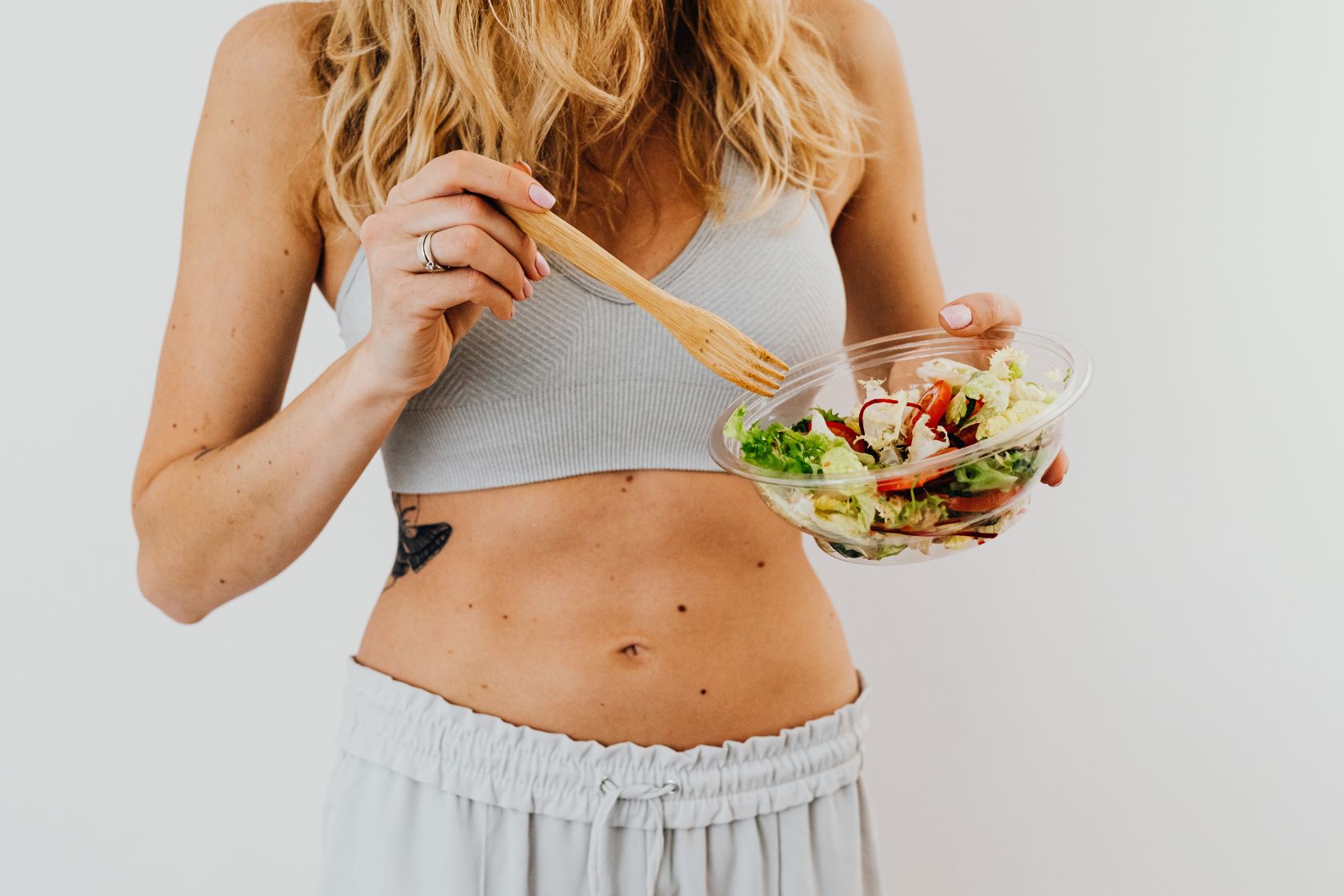
Women should never feel as though they have to go on an extremely restrictive diet because they have PMOS.
Instead, it can be more helpful to think about how meals make you feel and how they support blood sugar regulation.
Simple things can make a difference:
- Include protein with your meals
- Eat plenty of vegetables and fibre
- Choose whole or minimally processed foods most of the time
- Include healthy fats
- Pair carbohydrates with protein and fibre
- Cut back on highly processed foods and added sugars
- Stay physically active
- Get enough sleep
And perhaps most importantly, choose changes you can actually live with.
A perfect diet that lasts three weeks isn't nearly as useful as a balanced approach you can maintain for years.
Don't Forget About Movement
Exercise doesn't have to mean spending an hour in a gym every day.
Walking, strength training, yoga, cycling, swimming or simply being more active throughout your day can all be useful.
For women with PMOS, regular movement can support metabolic health and insulin sensitivity while also helping with mood and stress.
If you've been exhausted for months, however, jumping straight into an intense exercise routine may not be realistic.
Start where you are.
Sometimes a daily walk is enough to begin creating momentum.
What Can You Expect From Acupuncture for PMOS?
Every woman responds differently.
Some people notice that they sleep better or feel more relaxed after their first few treatments. Changes in menstrual cycles and ovulation can take longer and are influenced by many factors.
Your treatment plan may focus on goals such as:
- More predictable menstrual cycles
- Supporting ovulation
- Fertility
- Better sleep
- Reduced stress
- Improved energy
- Digestive health
- Overall well-being
Treatment can then be adjusted based on how your body responds.
You Don't Have to Treat Every Symptom Separately
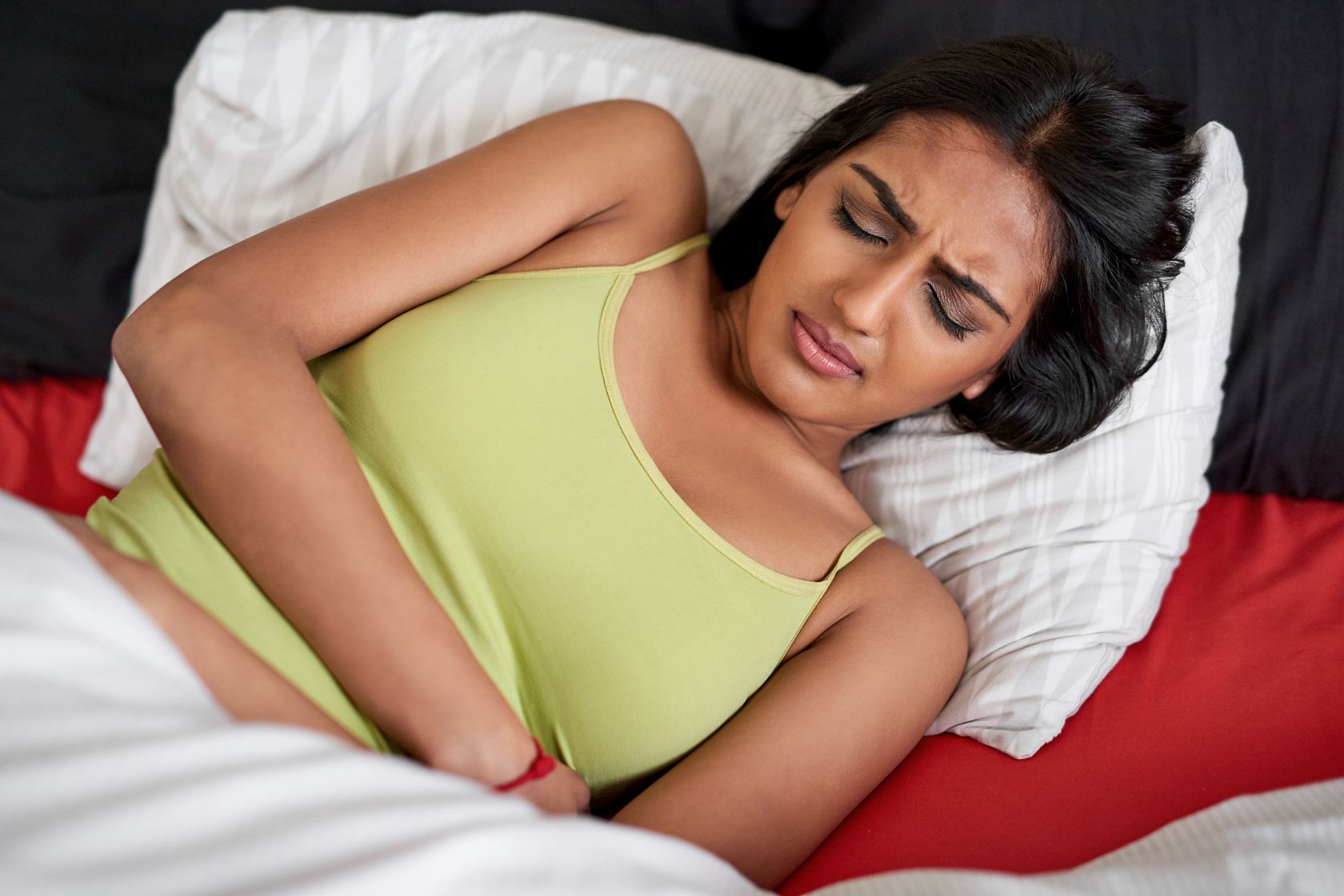
One of the most frustrating things about PMOS is that it can feel like you're dealing with ten different problems at once.
- Your period is irregular.
- Your skin is breaking out.
- You're exhausted.
- You're struggling with your weight.
- You're not sleeping.
- And you're worried about getting pregnant.
It's easy to feel as though you need a different treatment for every symptom.
Instead, it can help to step back and look at the bigger picture.
- What systems may be contributing to the symptoms you're experiencing?
- What can be changed through nutrition?
- Where can acupuncture help?
- Would improving sleep make a difference?
- Is stress playing a role?
- Would you benefit from additional medical testing or treatment?
That broader perspective is at the heart of the approach at Essential Balance Holistic Health.
A Personalized Approach to PMOS
There is no single PMOS treatment plan that works for every woman.
At Essential Balance Holistic Health, the focus is on looking at the whole person rather than focusing on one symptom.
Your care may include:
- Traditional Chinese Medicine assessment
- Individualized acupuncture
- Nutrition guidance
- Lifestyle recommendations
- Stress-management strategies
- Menstrual-cycle support
- Fertility support
- Supplement recommendations when appropriate
PMOS is a long-term condition, so the goal isn't to promise a quick fix.
It's to help you understand your body, support your health and make changes that are realistic enough to become part of your life.
Living With PMOS Doesn't Have to Mean Fighting Your Body
If you've been struggling with irregular periods, fertility issues, fatigue, weight changes or other symptoms, it's understandable to feel frustrated with your body.
But your body isn't working against you.
It's communicating with you.
Sometimes the first step is simply understanding what those signals are telling you.
Acupuncture for PMOS can be one part of a more comprehensive approach to supporting your hormonal, reproductive and metabolic health.
Whether you're trying to regulate your cycle, prepare for pregnancy, improve your sleep or simply feel more like yourself again, you don't have to figure everything out at once.
At Essential Balance Holistic Health, the focus is on taking the time to understand what's going on with you and creating a treatment plan around your individual needs.
Ready to explore whether acupuncture for PMOS could be right for you?
Book an appointment or arrange a complimentary 10-minute Discovery Call with us to talk about your symptoms, goals and how you may be supported.