

10 Natural Ways to Increase GLP-1 Hormone for Blood Sugar Balance and Weight Loss
July 23, 20257 Brain Supplements for Menopause and The Science Behind Them
One of the most common complaints women have during peri- and post-menopause is cognitive decline. Women report forgetfulness, a lack of focus, and overall “brain fog.” There is some science behind this, as a decline in estrogen during menopause (and even peri-menopause) can affect the brain’s ability to uptake glucose, the brain’s main fuel source.
There are many different supplements out there that claim to improve cognitive function and help to prevent Alzheimer's and dementia.
Here are 7 popular brain health supplements, along with the science behind their effects on menopausal women.
1. Lion’s Mane
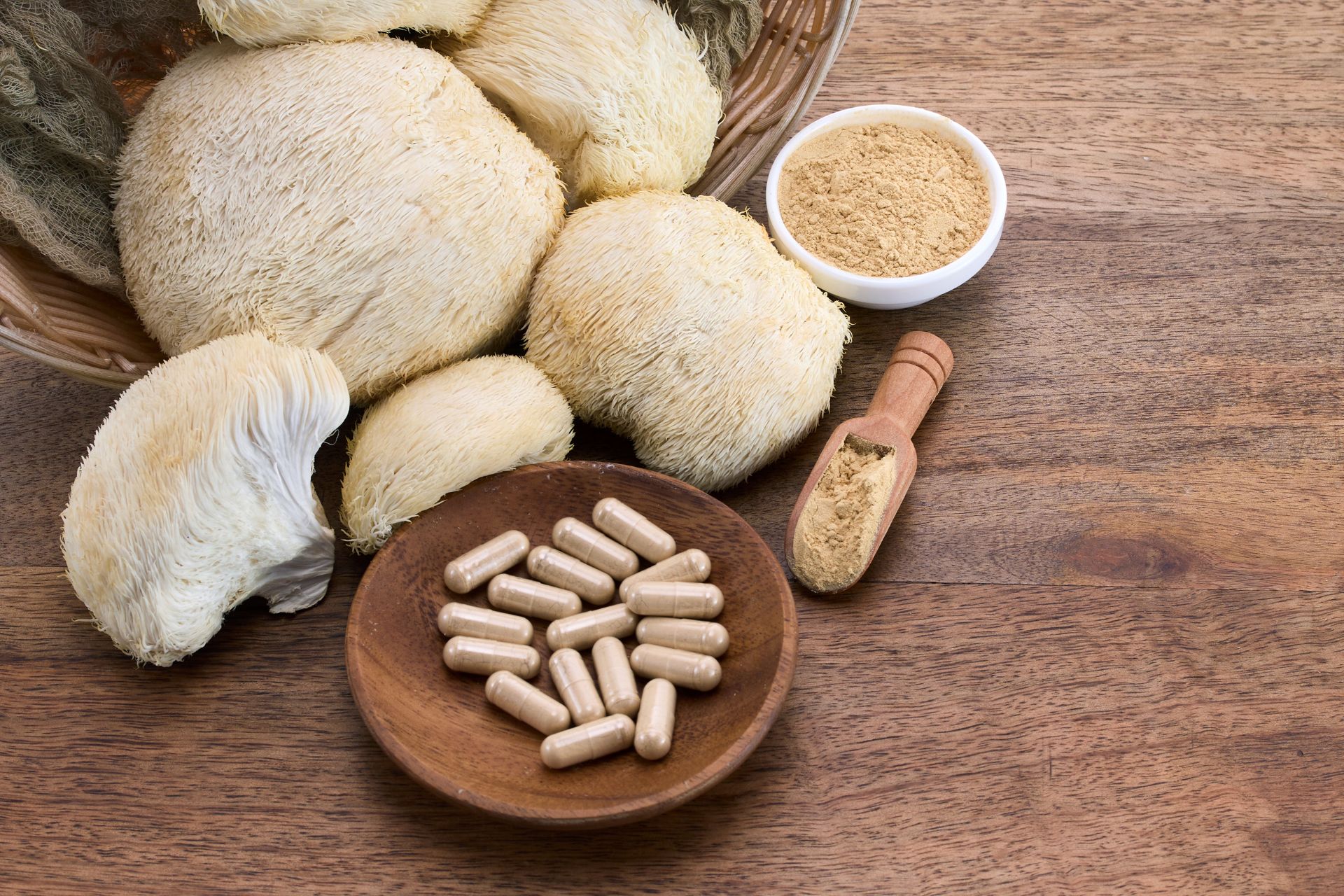
Lion’s mane, or Hericium Erinaceus, is an edible mushroom used in Traditional Chinese Medicine, native to Eurasia and North America. It has a shaggy-like appearance that resembles the mane of a lion. Lion’s mane has been found to have two compounds that stimulate the growth of new brain cells. In 2020, a study was conducted on people with mild Alzheimer’s Disease who supplemented with 1g of lion's mane mushroom daily for 49 weeks. This resulted in a significant improvement in cognitive test scores as compared to a placebo.
In 2021, a study was conducted on rats whose ovaries were removed. The rats were given lion's mane mushroom and displayed a reduction in depressive-like behaviour.
A small, randomized, placebo-controlled trial included menopausal women who were given cookies containing 2g of lion’s mane every day for 4 weeks. These women reported a reduction in anxiety, depression and improved concentration.
Lion’s mane is available concentrated in a capsule, or in tincture form, or as a dried powder that can be added to beverages such as smoothies or hot drinks.
The whole mushroom can also be purchased, often at farmers’ markets, and cooked like any other mushroom.
While there are not many studies around lion’s mane’s benefits for women in menopause, there is enough evidence that it will help boost brain health overall. The best way to use lion’s mane is to find a way to easily incorporate it into your daily diet, such as a teaspoon of the powder in your daily smoothie or adding the tincture to your daily coffee or tea.
2. Creatine
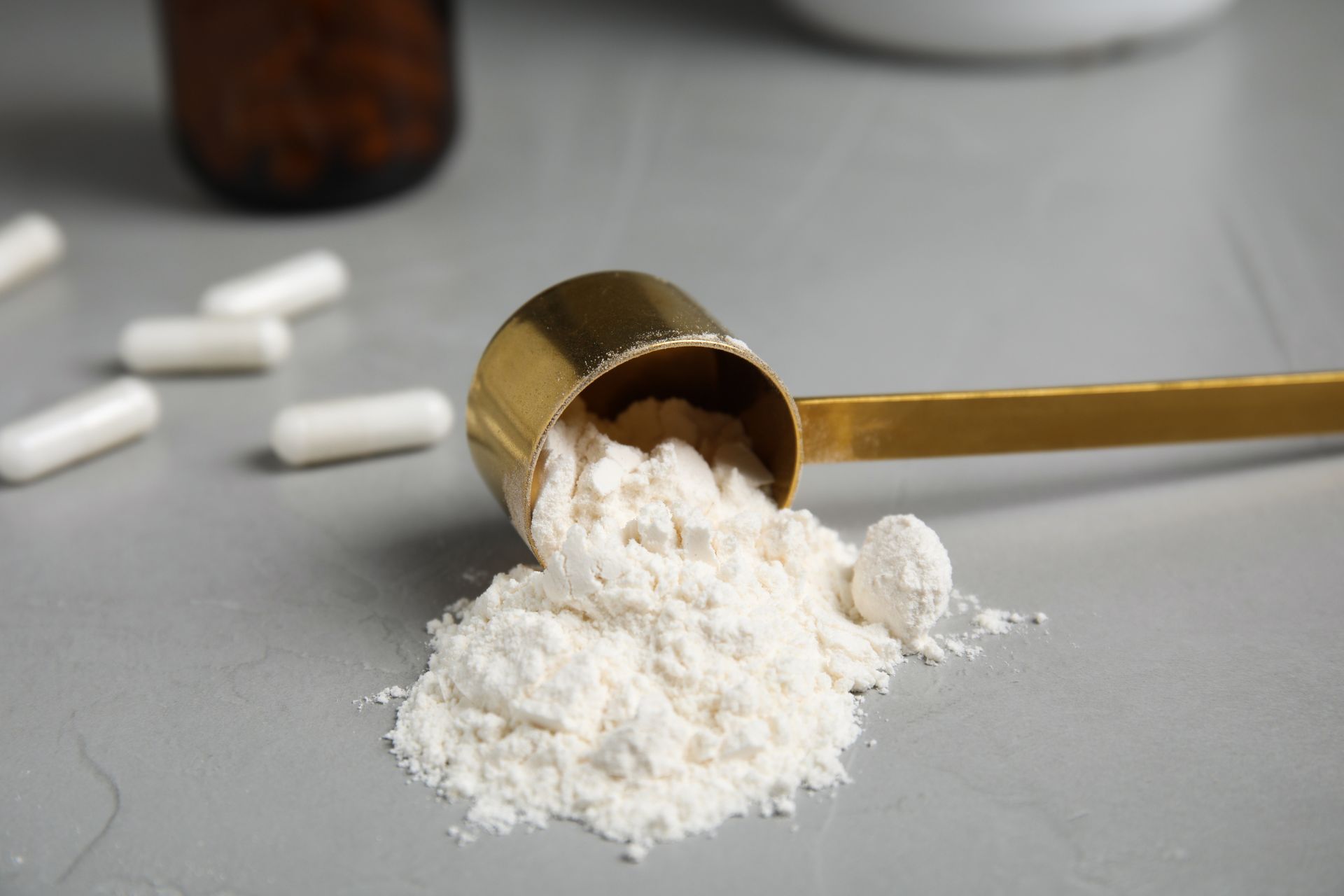
Creatine is a natural substance produced by the body and found in foods such as meat and seafood. It is made from amino acids, glycine and arginine. Creatine is then stored in the body in the form of phosphocreatine and aids in ATP production; therefore, it is essential for making energy.
Phosphocreatine is primarily stored in muscles, but it is also found in the brain. The higher the phosphocreatine stores, the easier it will be for our body and brain to obtain the energy we need.
Athletes have known this for years, which is why creatine is a highly popular sports supplement, particularly for those looking to build muscle.
However, more recent research has shown that supplementing with creatine can also increase stores in the brain, therefore improving cognitive function. Women have anywhere from 70-80% lower endogenous creatine stores than men.
In July 2024, a systematic review and meta-analysis were conducted on the effects of creatine and cognitive decline.
The review concluded that supplementation of creatine monohydrate can benefit attention span, memory and information processing speed, although larger trials are required.
While the studies conducted on women are limited, there was a study conducted in July 2025 on the overall impact of creatine for menopausal women. The study looked at muscle mass, body composition, sleep quality, estrogen levels, and cognitive function. The main benefits observed were an increase in muscle mass as well as sleep quality.
While we would love to see more studies done on women, the research shows that supplementing with creatine can not only benefit cognitive function but also help to protect muscle mass needed for metabolism and bone health in menopausal women.
Creatine monohydrate is the most studied and least expensive form of creatine. Approximately 3-5g per day is typically recommended. A daily creatine supplement will be most beneficial when combined with resistance training.
3. Ginkgo Biloba
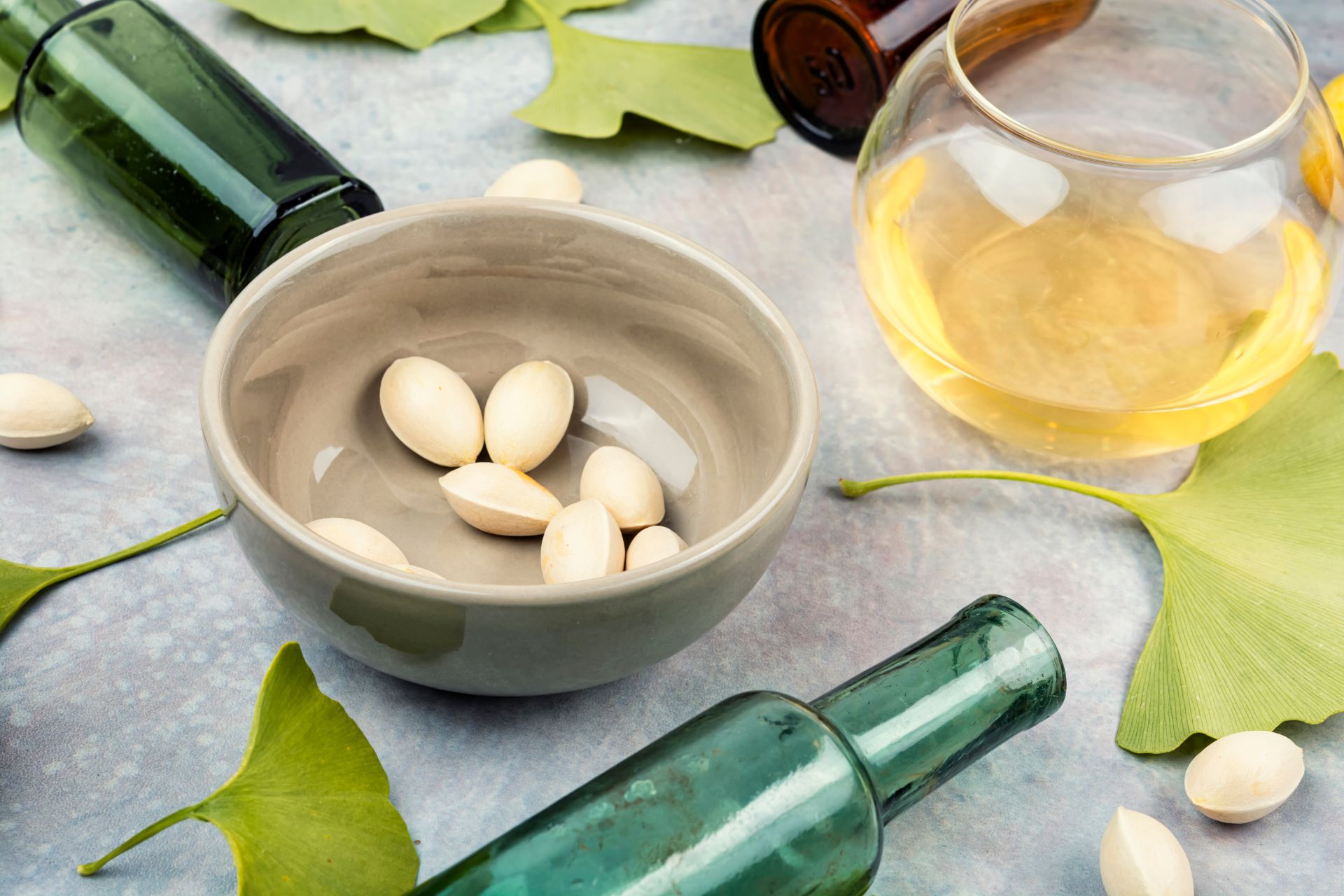
Ginkgo Biloba is a tree native to China and used in Traditional Chinese Medicine. Originally, the leaves were used for coughs and colds; however, the standardized extract (concentrated form) of ginkgo biloba is used for cognitive function. Gingko Biloba is classified in herbal medicine as a circulatory stimulant with an affinity for the brain. As it increases blood flow to the brain, it can therefore help with brain function. This is what traditional herbal medicine says about ginkgo biloba; now let’s review modern scientific studies around this herb.
A meta-analysis and systemic review of nine trials concluded that gingko biloba at 240mg per day for over 22-26 weeks can slow or even stabilize cognitive decline in patients with dementia.
There have been a few short trials around ginkgo biloba in menopausal women, but they have yielded mixed results.
The recommended dose of ginkgo biloba is 120mg to 240mg per day. Gingko biloba is contraindicated for those on blood thinners and anti-seizure medication.
4. Fish Oil/DHA
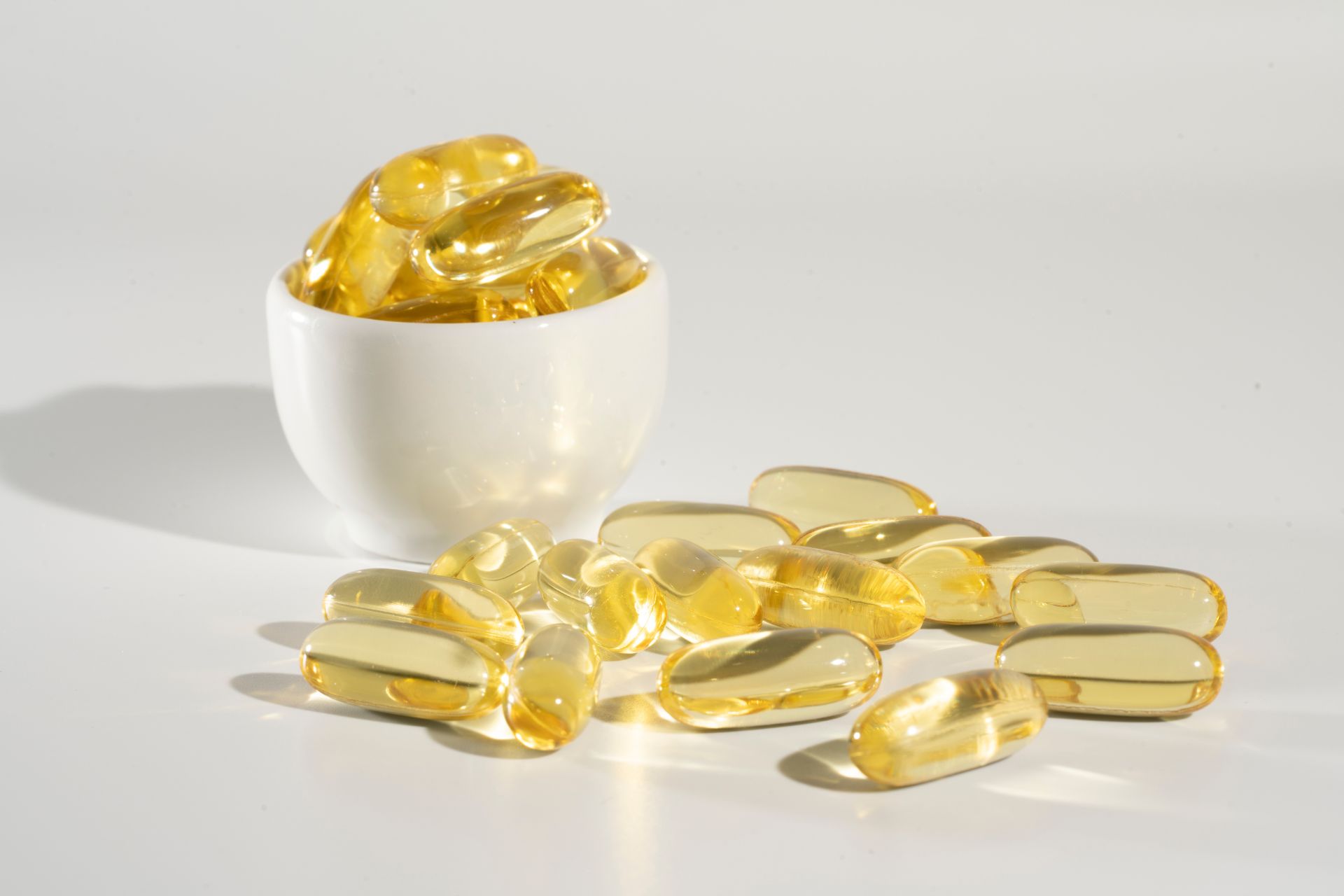
A polyunsaturated fat known as docosahexaenoic acid is found in 25% of the brain’s fat content. It’s the most abundant fatty acid in the brain. One of the best sources of DHA is wild fatty fish such as salmon, mackerel, anchovies, sardines and herring (aka SMASH fish). If you do not eat these fish every day, a fish oil supplement can be a convenient alternative.
DHA is beneficial for brain development in growing children and pregnant women, but can it help older adults further improve brain function?
The studies suggest, not really. Randomized controlled trials in older adults have shown no significant improvements in cognition. DHA for the brain is like calcium for the bones. Adults need calcium to maintain bone mass, but it doesn’t mean that taking extra calcium will make us taller. Similarly, you probably will not see a significant improvement in cognitive function by taking a high DHA fish oil.
However, taking a fish oil supplement containing both DHA and EPA (another fatty acid found in fish) can be very beneficial for overall health.
A 2022 systematic review of both animal and human studies demonstrated that fish oil supplementation can improve mood and symptoms of depression. Most studies have been conducted on fish oil supplementation with a higher EPA content than DHA.
Fish oil high in EPA has also been shown to reduce inflammation and improve heart health. I consider it an essential supplement!
5. MCT Oil
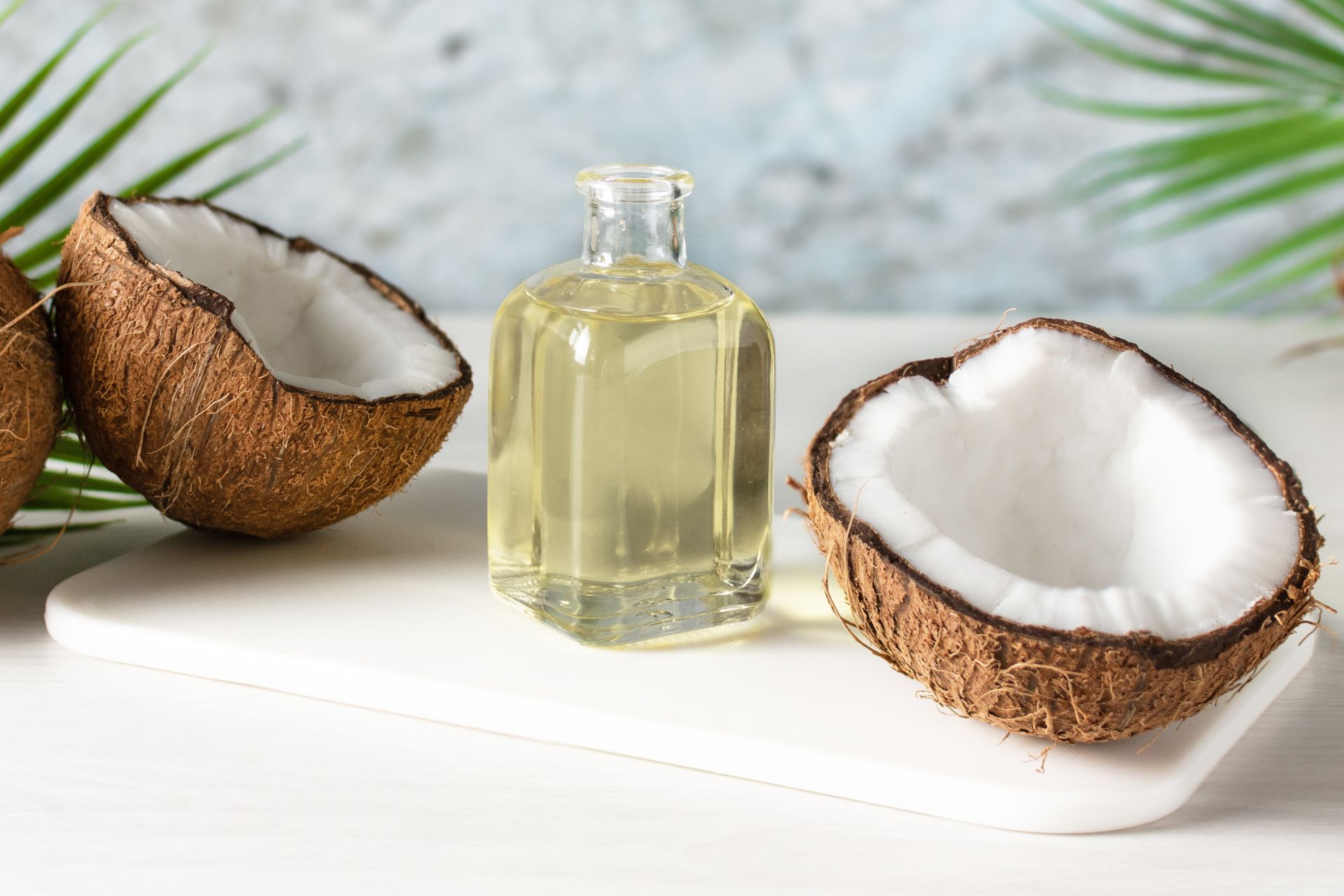
A medium chain of fatty acid has organic molecules with anywhere from 6 to 12 carbons. Examples of medium chain fatty acids are caprylic acid, capric acid and lauric acid.
A triglyceride is a bond of 3 fatty acids together with a glycerol molecule. What makes medium chain fatty acids unique is that they can be easily burned as energy. MCT oil, medium chain triglyceride oil, is a supplement rich in medium chain fatty acids.
Most medium-chain triglyceride oil is derived from coconut oil, although it is a liquid at room temperature and flavorless. MCT oil has been shown to increase circulating ketones. Ketones are fuel for the body and brain from fats. Given that menopause can affect the brain’s ability to uptake glucose, it would make sense that providing an alternative fuel source for the brain will improve cognitive function. However, there are not any randomized controlled trials conducted on using MCT oil to improve brain function in menopause.
There are in fact trials conducted on older adults which showed mild and temporary cognitive improvement. MCT oil can also improve satiety and blood sugar balance. It can be added to smoothies, shakes or whisked into hot beverages.
However, just simply adding MCT to your diet may not be enough to significantly improve cognitive function. Instead, MCT oil can be used as a tool to encourage ketone production in the body. Other ways to encourage ketone production are through a ketogenic diet, modified ketogenic diet or intermittent fasting.
6. Bacopa Monnieri (Brahmi)
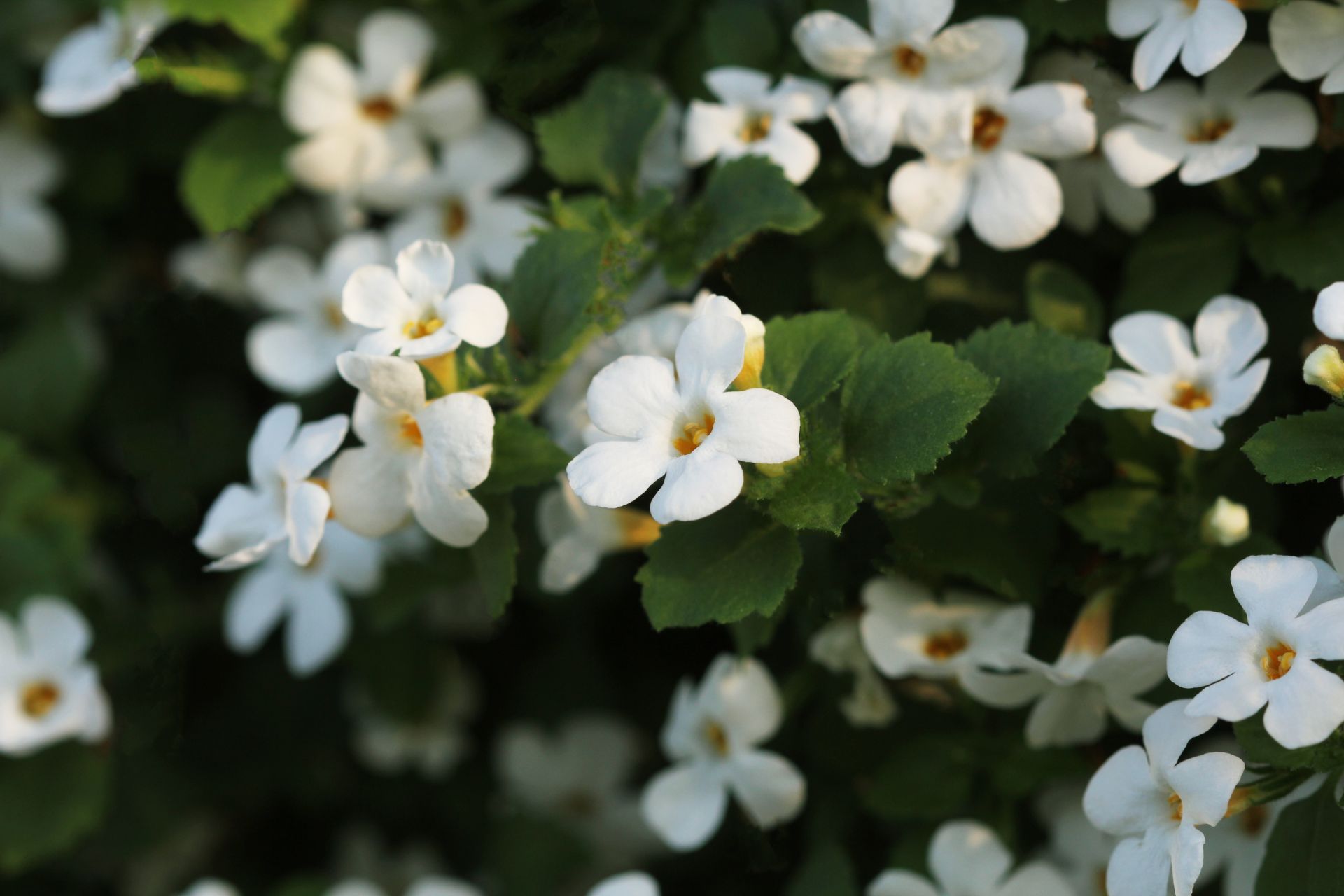
Bacopa Monnieri, also known as Brahmi, is an herb used in traditional Ayurvedic medicine. It has been used since the 6th century as a diuretic and tonic for the nervous system and heart.
Brahmi is used to calm and cool a pitta imbalance in the mind, which means excess heat, agitation and excitation.
A 2021 randomized double-blind placebo-controlled trial of 28 healthy adults over the age of 55 found that bacopa monnieri can help with both memory and learning.
Typical doses of bacopa monierri are 300-450 mg/day of a standardized extract. A 2022 study also showed bacopa may help with ADHD in boys age 6-14. Bacopa taken in high doses may cause digestive upset, and it can also interfere with thyroid medication.
7. Vitamin D
Vitamin D is well known for its role in immune health, bone health and mood, but it can also help with cognitive function. A 2019 double-blind randomized controlled trial in older women showed that vitamin D can improve cognitive function. Doses of 800 IU-4,000 IU per day were used.
Supplementing vitamin D is particularly important during the winter months when there is less sunshine. At least 1,000 IU per day is recommended for adults, but a higher dose may be required if there is a deficiency. Vitamin K2 is also recommended to be supplemented with vitamin D, as they work together to help with the absorption of minerals into bone tissue.
Any kind of supplement is meant to do just that: supplement a healthy lifestyle. This means that good food, lots of water, movement and sleep are all required for a healthy brain and body. It is important to consult with a health care practitioner before starting any supplements, particularly if you are taking medication.
*****************
Kirsten Colella, CNP, is a Holistic Nutritionist, graduating from the Institute of Holistic Nutrition with high honours; Kirsten is also a certified yoga teacher. As a yogi who teaches individuals, groups and soon online, Kirsten does her best to live a full yoga-styled life, incorporating the best from herbs with her farm-fresh foods. Living on a farm with her family, Kirsten loves to prepare a wide variety of farm-to-table meals, sharing her delicious recipes, colourful food pics and health-promoting food ideas on our Instagram page @essentialbalanceholistic.
*****************


