

It is estimated that 1 in 10 women suffer from PCOS.
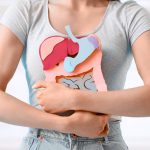
Polycystic Ovarian Syndrome is both a metabolic and hormonal condition, with a wide variety of symptoms, including:
- Irregular periods
- Acne
- Excess hair growth (chin/jawline )
- Hair thinning on the scalp
- Difficulty losing weight
- Fatigue
- Fertility issues
- Anxiety
- Darkened skin patches
In order to get diagnosed with PCOS, you must have 2 out of the 3 conditions. This is known as the Rotterdam Criteria:
- Long cycles, missed periods, irregular periods
- High androgen levels (testosterone); determined by blood tests or symptoms
- Many undeveloped follicles, immature eggs. An ultrasound can determine this.
PCOS symptoms can be managed through dietary and lifestyle changes, supplements and acupuncture.
Insulin Resistance and PCOS
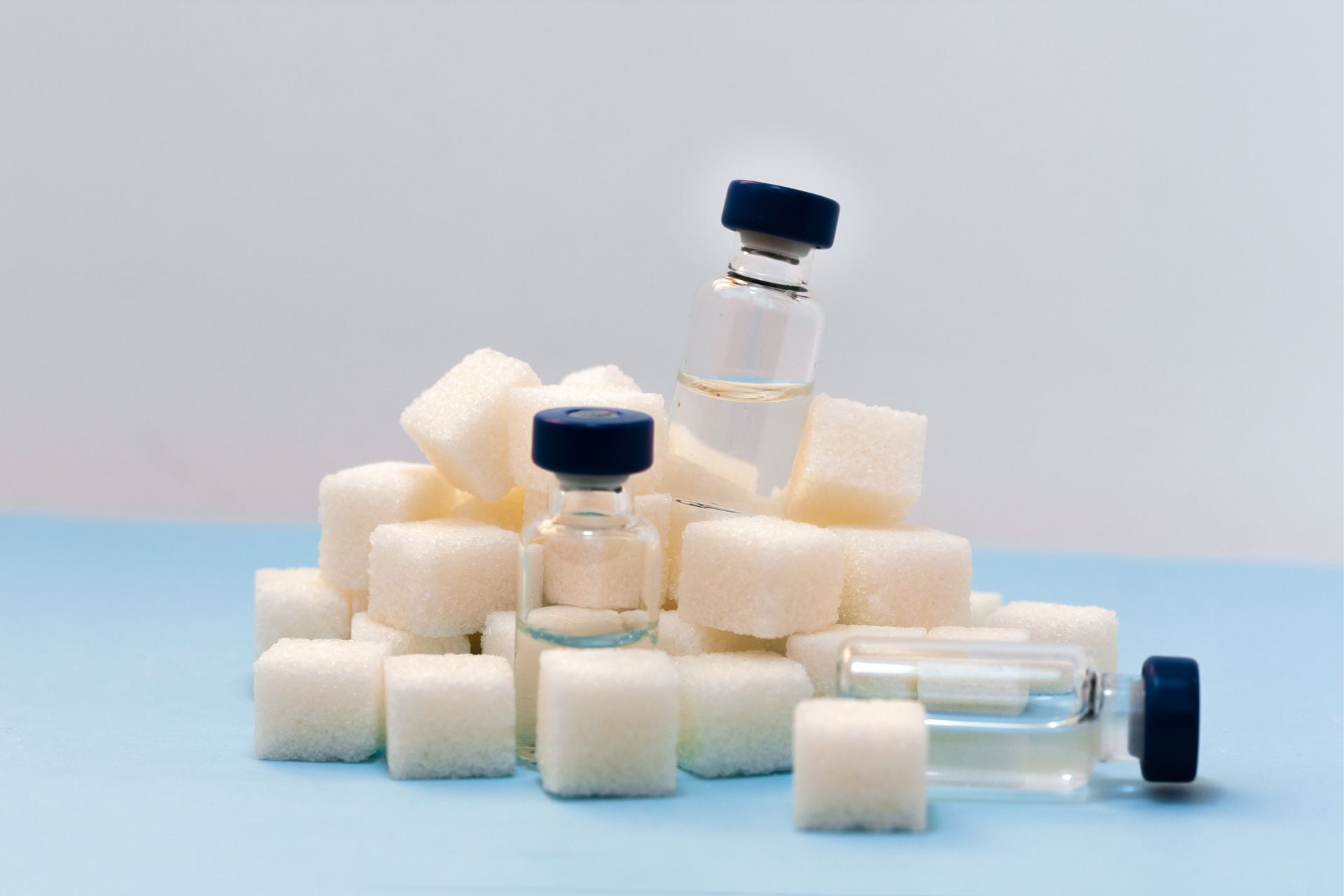
There is a strong correlation between insulin resistance and PCOS. In fact, 70% of those with PCOS have some degree of insulin resistance.
Insulin is a hormone produced by the pancreas that signals the uptake of glucose for energy use or storage. When we eat something that contains carbohydrates, it gets broken down into a simple sugar known as glucose. Glucose then enters the bloodstream, causing a spike in blood sugar. which signals the release of insulin from the pancreas.
Insulin binds to receptors on cells to trigger the uptake of glucose. Glucose then enters the cells where it can either be converted to energy or stored as glycogen in the liver and muscles, or in fat cells as fat.
In the case of insulin resistance, these receptors do not respond to insulin as well. This means that blood sugar remains high. The pancreas continues to produce more insulin to overcompensate.
High levels of insulin affect the ovaries and increase testosterone levels. Insulin binds to theca cells in the ovaries, which results in overproduction of testosterone. Insulin also suppresses sex-hormone-binding-globulin, a protein produced by the liver meant to bind to excess androgens, causing free testosterone levels to become elevated.
High testosterone is what causes acne, hair loss and hirsutism in PCOS. High testosterone also interferes with ovulation, thus causing many undeveloped follicles. This also lowers progesterone levels, causing an imbalance of estrogen and progesterone. High estrogen in relation to progesterone causes irregular cycles and painful menstruation. High levels of insulin also increase inflammation and activate inflammatory cytokines.
Not all PCOS is caused by insulin resistance. Often the management of glucose levels, and thus insulin levels, can reduce symptoms of PCOS.
How to Reduce Blood Sugar Levels

1. Eat Less Refined Sugar:
Giving up sugary drinks and sweets is one of the easiest ways to reduce blood sugar. This doesn’t mean that you have to give up your sweet tooth completely. Instead, opt for sugar alternatives that do not cause an increase in insulin, such as stevia or monk fruit. You can also use natural sweeteners that do not affect blood sugar as much as white sugar; examples are coconut sugar, agave nectar and maple syrup, which can sometimes be tolerated in moderation.
2. Eat Balanced Meals:
Consuming protein, fat, fiber, and carbohydrates can slow down digestion. This means glucose enters the bloodstream at a slower rate, and it is easier for the body to manage. Protein, fiber and fats also increase satiety, meaning that typically fewer carbohydrates are consumed.
3. Exercise:
Movement has been shown to decrease blood sugar and insulin and help with insulin resistance. Even a brisk walk after a meal can lower blood sugar. Strength training is also beneficial in reducing insulin resistance. Yoga has also been shown to benefit blood sugar, not only due to the activity, but also because it can reduce stress.
Inflammation and PCOS
In addition to insulin resistance, inflammation is one of the main driving forces behind PCOS. Research has shown that those with PCOS have elevated inflammatory markers such as CRP, and cytokines like IL-6 and TNF-a.
These cytokines can also interrupt insulin signaling, thus further promoting insulin resistance. Elevated cytokines can also interfere with reproductive hormones and are associated with increased testosterone and LH (luteinizing hormone) levels.
Inflammation also affects normal follicle development in the ovaries. Metabolic and reproductive dysfunction further contribute to inflammation, creating a snowball effect.
Anti-Inflammatory Diet
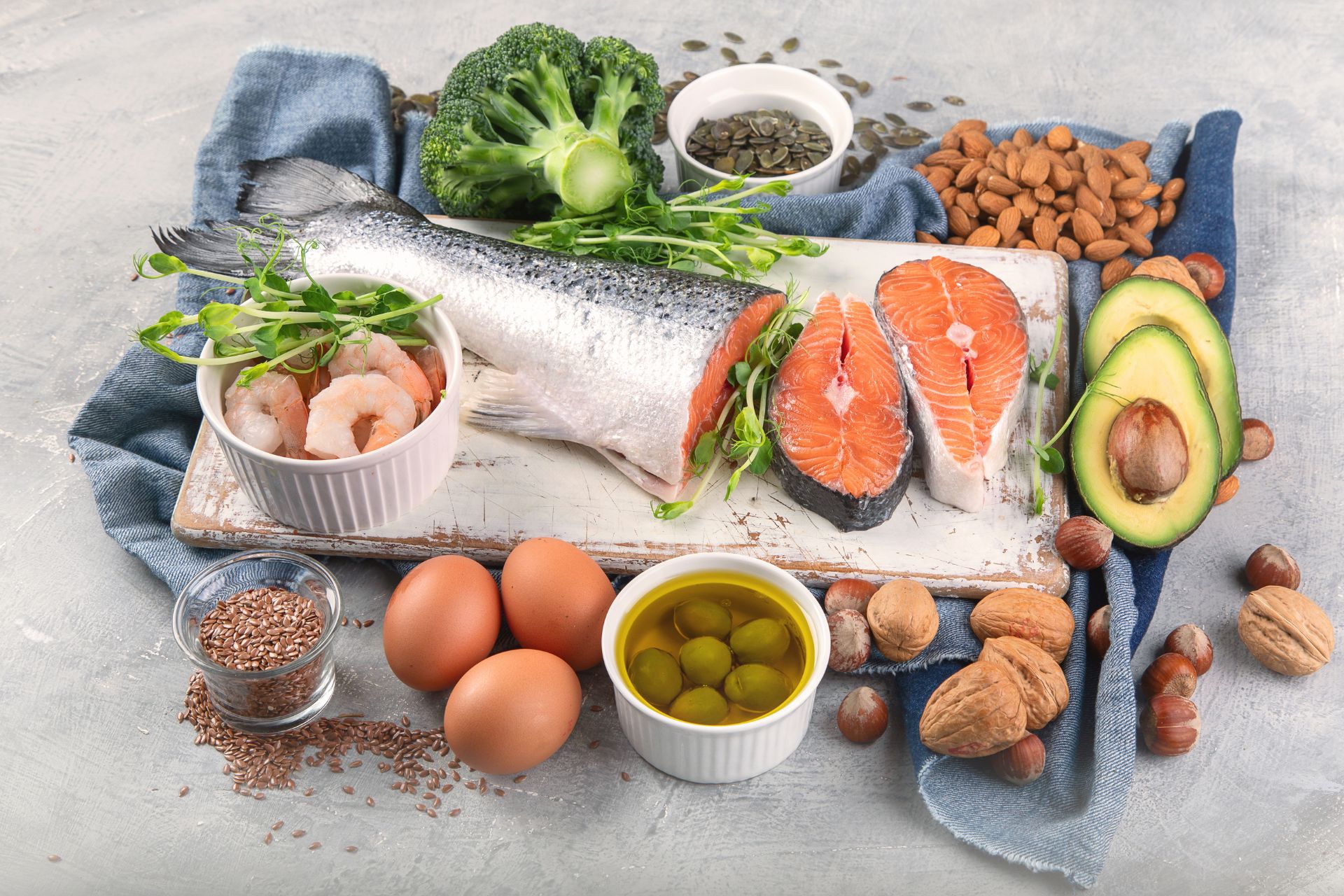
The good news, scientific research has shown that we can reduce the amount of inflammation in our body with dietary changes. In 2015 a controlled study was conducted on women with PCOS. Over 12 weeks, these women followed a calorie-restricted, anti-inflammatory diet and increased physical activity. The result was a significant reduction in inflammatory biomarkers. What was more exciting however, was 63% of the participants regulated their menstrual cycles and 7% actually conceived during the study.
An anti-inflammatory diet consists of lots of nutrients-rich whole foods. Key nutrients in an anti-inflammatory diet are omega-3 fatty acids, antioxidants, polyphenols, vitamins, minerals and fiber. Omega-3 fatty acids are particularly important for reducing inflammation. A meta-analysis conducted by Cambridge University concluded that omega-3 supplementation in the form of fish oil reduced certain inflammatory markers.
An anti-inflammatory diet is at the foundation of the Essential Balance Diet; a lifestyle we have followed and guided many clients through for over 15 years. If you are interested in learning more about an anti-inflammatory diet to manage PCOS, book a session.
Myo-inositol and D-chiro-inositol for PCOS
A 2023 meta-analysis concluded that supplemental inositol is an effective and safe treatment for PCOS. Inositol is a type of carbohydrate produced by the body and found in foods we eat, such as fruits, beans, grains, and nuts. Inositol can also be found in a concentrated form as a supplement, typically in a powder that can be added to water.
Two types of inositol are beneficial for PCOS: myo-inositol and d-chiro-inositol. Myo-inositol enhances the activity of the protein GLUT-4, which facilitates the transport of glucose into cells. More glucose in the cells means lower blood sugar and a healthier metabolism.
Remember that all cells need sugar to function well; this includes your ovaries. Insulin resistance can cause a deficiency of myo-inositol in the body, resulting in poor ovulation. D-chiro-inositol helps with progesterone production, which is required not only for ovulation, but also for healthy menstrual cycles.
The ideal ratio of myo-inositol to d-chiro-inositol is 40:1. Recommended for PCOS is 4g of myo-inositol per day, combined with 100 mg of d-chiro-inositol.
Acupuncture for PCOS
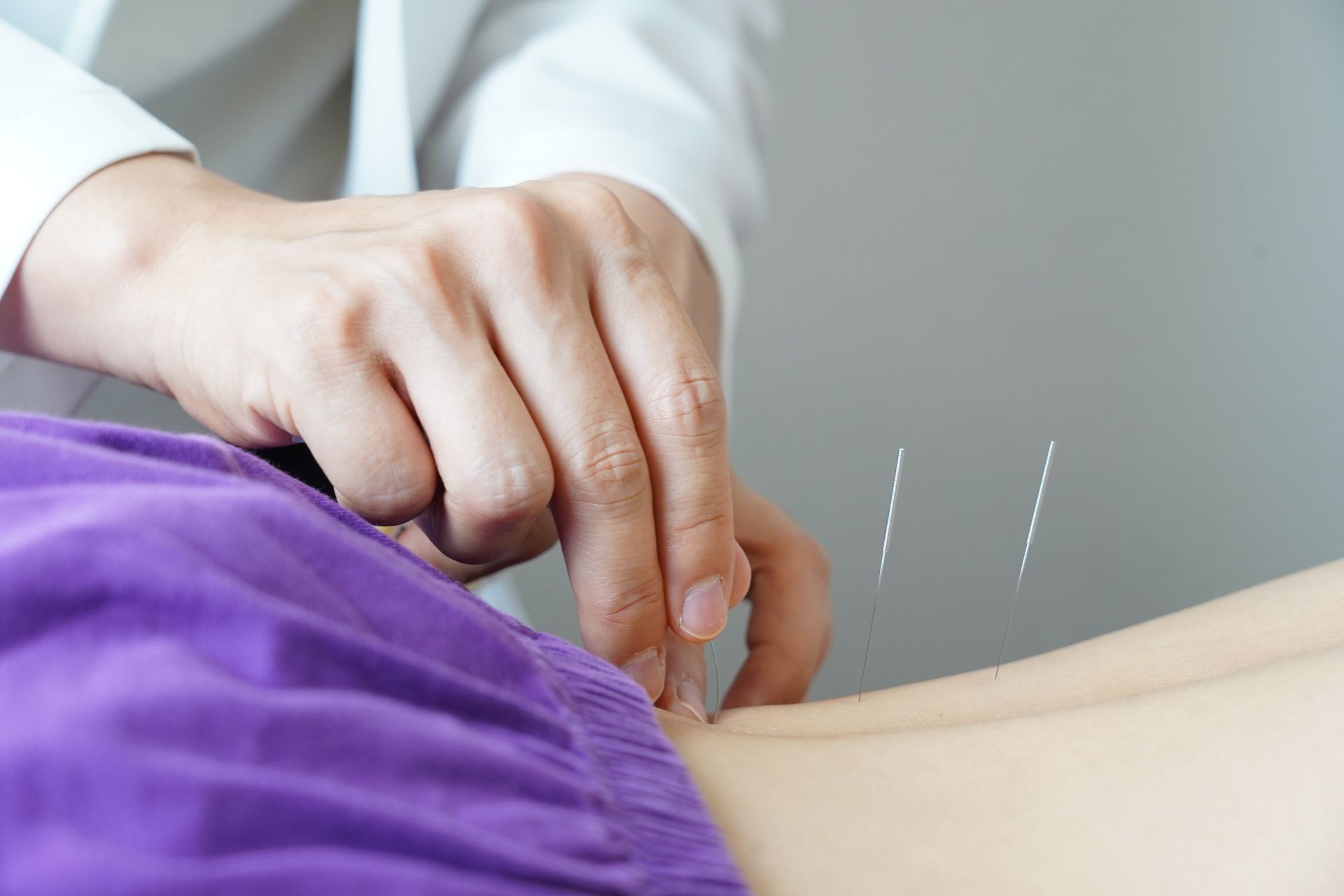
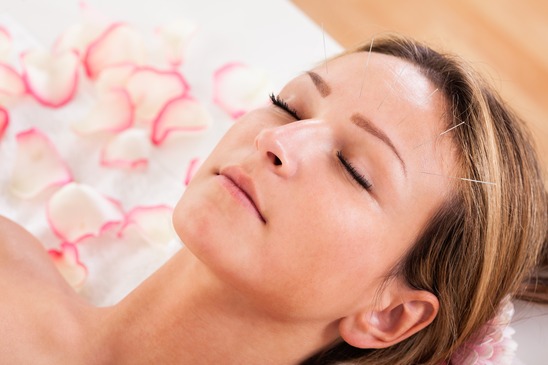
Acupuncture is very effective in reducing PCOS symptoms and the 3 Rotterdam Criteria:
- Long cycles, missed periods, irregular periods
- High androgen / testosterone levels
- Undeveloped follicles, immature eggs
Research and clinical experience demonstrate that acupuncture may support hormonal regulation, symptom relief and correct common menstrual issues, including:
- promote regular ovulation, by influencing the hypothalamic–pituitary–ovarian (HPO) axis, the hormonal system that regulates ovulation
- regulate the menstrual cycle
- reduce higher levels of testosterone and reduce sympathetic nervous system overactivity, both of which may be contributing to hair thinning, facial acne and irregular cycle
- improve glucose metabolism, which shows as reduced sugar cravings, enhanced insulin sensitivity, and better weight management
- lower cortisol (stress hormone) by increasing parasympathetic activity, which can improve sleep and support overall hormonal balance
- improve blood flow to the ovaries and uterus, which can improve the uterine lining, support healthier ovulation, and reduce any cramps
- reduce unwanted water retention and reduce inflammation in the body.
Typically, the best results come from combining acupuncture with improved nutrition and regular activity/exercise
*****************
Kirsten Colella, CNP, is a Holistic Nutritionist, graduating from the Institute of Holistic Nutrition with high honours; Kirsten is also a certified yoga teacher. As a yogi who teaches individuals, groups and soon online, Kirsten does her best to live a full yoga-styled life, incorporating the best from herbs with her farm-fresh foods. Living on a farm with her family, Kirsten loves to prepare a wide variety of farm-to-table meals, sharing her delicious recipes, colourful food pics and health-promoting food ideas on our Instagram page @essentialbalanceholistic.
*****************