


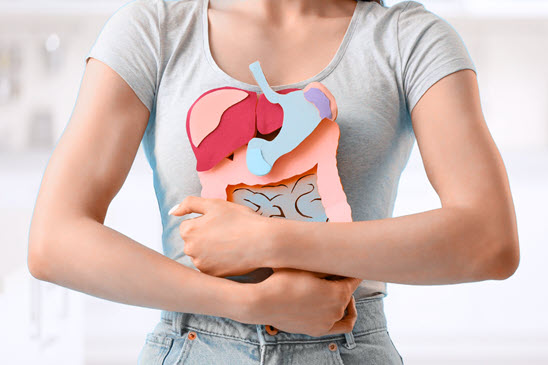
Over 20 million Canadians experience digestive problems. In fact, it is one of the most common reasons for a physician's visit.
There are certainly many reasons why someone should seek medical attention for digestive issues, for example, a gall bladder attack, appendicitis, severe vomiting, diarrhea or just any other kind of severe abdominal pain. However more often than not, digestive issues are just simply annoying and don’t actually require medical attention.
I’m referring to issues such as bloating, gas, minor heartburn, constipation or loose stools. Of course, there is always a chance that what we believe to be minor issues are in fact medical problems, so it’s always a good idea to chat with your doctor if you are not sure.
However, let’s assume that you have done that, perhaps you have even done some tests (after a long wait to see a specialist), and you have been told “it might be IBS,” and there is nothing more medically to be done.
Now, you are seeking help on your own, but you are unsure where to begin, other than purchasing a probiotic supplement. So, let’s be like an enzyme and break it down.
First, it’s worth noting that every person is unique and the body can be complicated. It may take a while to figure out what is causing your digestive issues, as it can be a combination of many different factors. You may need a one-on-one consultation with a practitioner or further testing. This blog is only meant to be a starting point.
Next, let’s talk about why I am being so particular about saying digestive health when gut health has become such a trending phrase.
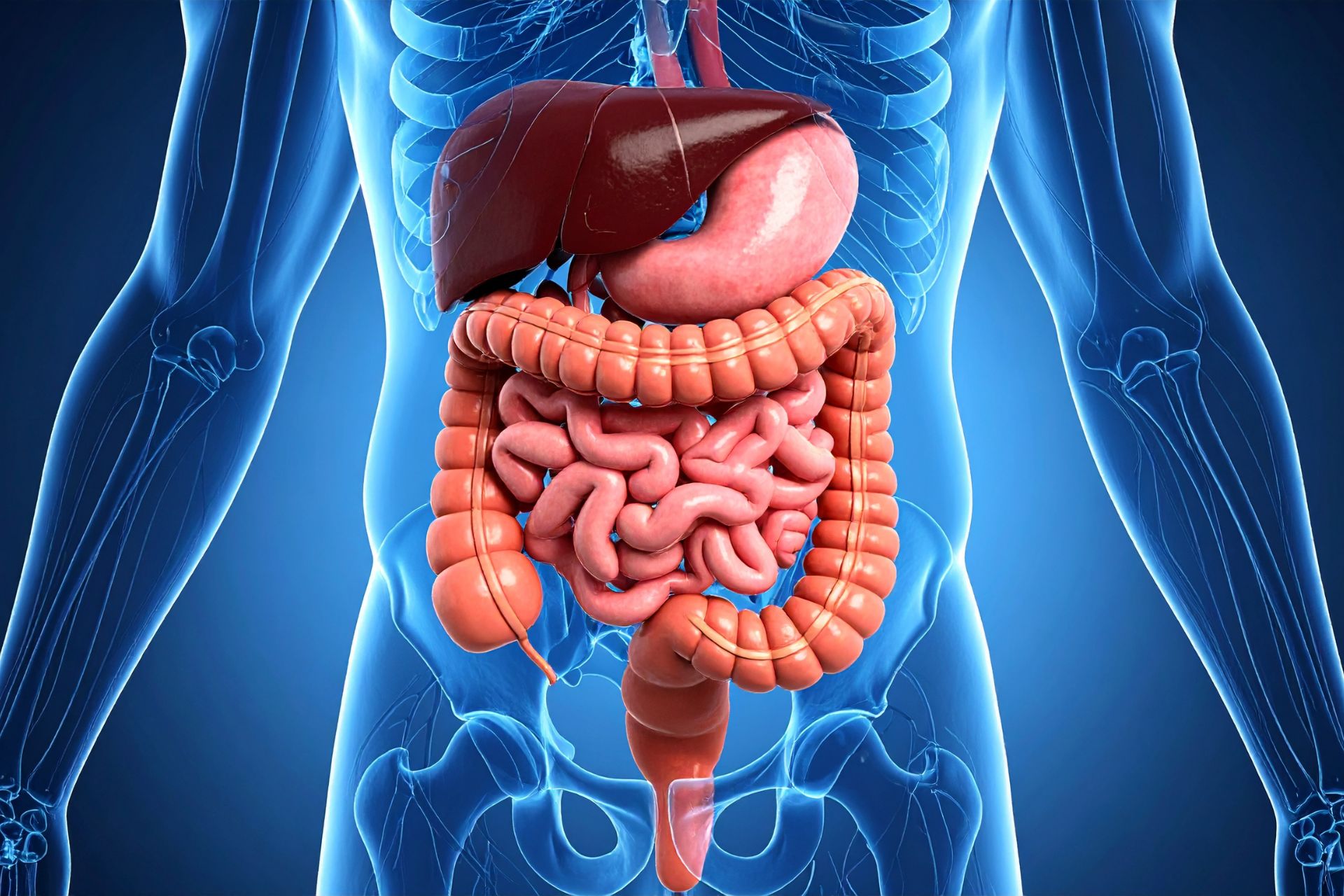
The gut refers to the intestines, and it is but one small (and large) part of the digestive system. Organs involved in the digestive system include:
- The mouth
- The pharynx
- The esophagus
- The stomach
- The liver
- The pancreas
- The gall bladder
- The small intestine
- The large intestine (also called the colon or bowels)
- The rectum
- The anus
Salivary glands, the endocrine system (hormone system) and the nervous system all play a role in digestion.
Issues can occur with any one of the areas, and it is important to pinpoint where the problem is occurring in your body, but first you need to understand how digestion really works. So, let’s take a journey through the digestive system from the mouth to the anus.
Digestion does not begin in the gut, not even in the stomach. It begins when we start to think about eating. When we feel hungry, or when we start to prepare our food and smell it. This can trigger a dorsal vagal nervous system response, stimulating the release of digestive juices, and our hunger hormone ghrelin.
Then we sit down to eat and chew our food, and as we do, salivary amylase begins to break down starches. Once we have created a manageable mushy paste, we swallow. Our food travels past our pharynx into the esophagus, and then finally to the stomach. Think of stomach like a washing machine but instead of soap and water, you have hydrochloric acid and digestive enzymes. Stomach acid is particularly important for the break down of proteins, as well as preparing B12 and minerals for absorption.
The food is mixed with acid, and it churns in the stomach so it can be broken down both chemically and mechanically. Food mixed with stomach acid is referred to chyme (pronounced “kime”). Once the chyme is fully broken down, it is ready to leave the stomach and enter the first part of the small intestine, the duodenum. The pancreas provides a nice amount of sodium bicarbonate (baking soda) to neutralize the stomach acid, as well as some enzymes, to further break down food into its individual parts. The gall bladder will also release bile, a substance needed to emulsify fats. The main role of the duodenum is to break down food. The next stage of the small intestine is the jejunum; this is where the majority of nutrients are absorbed. The last part of the small intestine is the ileum where remaining nutrients are absorbed.
The final stage of digestion is the large intestine. What ideally should be leftover at this point is just fiber, water, electrolytes and anything else the body cannot break down. Of course, no one’s digestive system is 100% efficient. The large intestine is the home of 38 trillion microbes. Some of these are not only beneficial but essential to health. They help with immunity, manufacture certain vitamins and even help to regulate metabolism and brain function. The large intestine will absorb water and electrolytes but not too much water, and what remains should be a nice stool. This entire process should take less than 24 hours.
How to Improve Digestive Health

So, if the first stage of digestion is sitting down to a meal, what happens if we eat on-the-go? When we are under a lot of stress this can activate our sympathetic nervous system (fight or flight.) This will result in a decrease in the production of stomach acid, enzymes and bile flow. All of which are required to break down food and absorb nutrients properly. If you have to eat when you are in the middle of a busy day, there are a few things you can do to shift from “flight or fight” to “rest and digest.”
- Digestive Bitters: A bitter tincture of herbs such as dandelion, burdock and gentian. These herbs trigger bitter receptors (T2Rs) in the stomach, tongue and small intestine. This helps to activate vagus nerve and triggers the release of digestive secretions. The downside is that you do have to taste the bitterness to get the full effects. Digestive bitters may not be appropriate for pregnancy, those with GERD or ulcers or gastritis. I carry a bitter tincture in my car or purse to take if I have to eat in the middle of a busy day. I use either my homemade concoction or Canadian Bitters by St. Francis.
- Breathing Exercises: One of the easiest ways to shift your nervous system from flight/flight to rest/digest is by controlling the breath. Before you begin to eat, take a few minutes (or even just 1 minute) to slowly breathe. Rest a hand on your stomach just above the navel (diaphragm) and feel it rising and falling with each breath.
- Enjoy your Food: Take a moment to look at your food; smell it. Even just doing this will help to prepare the body for eating. Sit up straight, relax your shoulders, soften your belly. Chew mindfully, pay attention to the taste of the food. Approximately 25-40 chews per bite is the best for digestion and satiety. No, I don’t expect you to count each bite, but maybe just that first bite to establish a rhythm.
The other problem with our digestion is not how we eat, but what we eat. Certain foods can improve digestion while others harm it. The goal is to have a little more of the good and less of the bad.
- Eat more fibre
The World Cancer Research fund and American Cancer Research fund recommend at least 25-30 grams of fiber per day to prevent colon cancer. Many health experts recommend more, anywhere from 30-35 grams per day, or even 50 g per day for optimal gut health. Regular bowel movements are very important for health because this is how the body rids itself of unwanted toxins. Fiber binds to toxins and excretes them from the body. Fiber, particularly soluble fiber, feed beneficial gut bacteria. Here are easy and common fiber-rich foods, with amount of fiber per serving.
- 2 tbsp chia seeds – 10g
- 1 cup raspberries – 8g
- ½ cup lentils – 8g
- ½ cup black beans – 7g
- ½ cup chickpeas – 6g
- 1 medium apple – 5g
- 1 cup quinoa – 5g
- 1 cup oats – 4 g
- 1 cup sweet potato – 4g
- 1 cup spinach – 4g
- 2 tbsp flax seeds – 4g
- 1 cup broccoli – 5g
The trick is to start slow, if you are looking to increase your fiber intake you may want to do so slowly over time.
- Focus on Whole Foods
The digestive system is designed to break down whole foods. Ultra-processed foods, however, can be a bit more difficult. Ultra-processed foods, such as packaged snacks and fast food, contain additives, sugars, refined starches and damaged polyunsaturated fats. Emulsifiers such as polysorbate 80 and carboxyl methylcellulose have been shown to disrupt the mucus layer and increase intestinal permeability of the gut. It’s also much easier to overeat ultra-processed foods due to lack of fiber and protein that improve fullness cues. For optimal digestive health, focus on whole foods such as vegetables, fruits, nuts, seeds whole grains, beans, legumes, meat, fish etc.
- Drink Water, but not with meals
The digestive tract requires fluid for proper movement and lubrication of the mucosal lining. This means adequate water intake is essential for digestive health. Dehydration can be one of the most common causes of constipation and hard stools.
Drinking copious water with meals however can cause digestive disturbances and lead to swallowing air. Instead, focus on hydration throughout the whole day, away from mealtimes.
- Eat Polyphenol-Rich Foods
Polyphenols are plant compounds that nourish our microbiome; they stimulate the growth of beneficial bacteria such as lactobacillus and bifidobacterium. Polyphenols also work to maintain gut integrity and reduce inflammation in the gut. Here are some polyphenol rich foods:
- Olive oil
- Green Tea
- Dark Chocolate
- Blueberries
- Elderberries
- Cherries
- Pomegranate
- Red cabbage
- Replenish your microbiome
The microbiome is a powerful ally in maintaining digestive health and overall health. The gut microbiome are microscopic organisms such as bacteria, fungi, protozoa, archaea and viruses Here are some facts abut the microbiome:
- There are 38 trillion microbes in the human colon
- There are 500-1,000 microbial species
- There are more microbes in the gut than stars in the Milky Way galaxy
- The average person carries 150-200 species
While some of these microbes can be harmful, many of them are not only beneficial but essential to human health. The microbes in the colon ferment fiber and produce short chain fatty acids. Short chain fatty acids is one of the main fuels for the colon cells and helps to protect the gut-barrier and reduce inflammation. Short chain fatty acids have also been shown to support satiety and help with glucose metabolism. The best way to support your microbiome is by feeding it with fiber-rich and polyphenol foods. You can also replenish your species with a probiotic supplement containing some of these beneficial bacteria such as lactobacillus acidophilus and bifidobacterium bifidum.
Your digestive system is what allows you to access the fuel that will carry you throughout your day. It is easy to forget about it until it starts to complain. However, taking proactive steps to help your digestive system work optimally will definitely improve your life overall.
For a more personalized plan to heal your digestive system reach out to our office and book an appointment today!
**************
Kirsten Colella, CNP, a Holistic Nutritionist who graduated from the Institute of Holistic Nutrition with high honours, is also a certified yoga teacher. Kirsten teaches individuals, groups and online, and is in the process of gaining her International Sports Sciences Association (ISSA) personal trainer certification. Living on a farm with her family, Kirsten incorporates home-grown vegetables, herbs with her farm-fresh foods to prepare a wide variety of farm-to-table meals, sharing her delicious recipes, colourful food pics and health-promoting food ideas on our Instagram page @essentialbalanceholistic.
****************
Sources quoted for the blog:
-
Canadian Digestive Health Foundation (CDHF)
-
GI Society (badgut.org)
-
Crohn’s and Colitis Canada
-
Raes et al. (2014) – Nature
-
Zhao (2013) – Nature Reviews Microbiology
-
Koh et al. (2016) – Cell
-
Macfarlane & Macfarlane (2012)
-
Sonnenburg & Sonnenburg (2014) – Cell Metabolism
-
World Gastroenterology Organisation (WGO)
-
International Scientific Association for Probiotics and Prebiotics (ISAPP)
-
Reid et al. (2019) – Frontiers in Microbiology
-
Quigley (2019) – Journal of Clinical Gastroenterology